Saturday, March 17, 2012

Rainbow’s End


The pot of gold at the end of the rainbow is a symbol that appears every year at this time. To me, it has always indicated not just a reward, but also the journey to get there. Think of this set then as a journey toward Irish music. The Celtic people of Ireland had a journey of their own before they landed in Ireland. For many, famine and religious and political strife have meant that the journey did not end there, and so it is that the Irish people, as well as their music and traditions, are to be found in the United States and Australia, among other places. Wherever the Irish have gone, their music has influenced and inspired those around them. So it is that most of the music in this post is by artists who have never lived in Ireland, and many have no Irish blood either. But the ancestry of the music is indisputable.

West of Eden: On She Goes

[purchase]

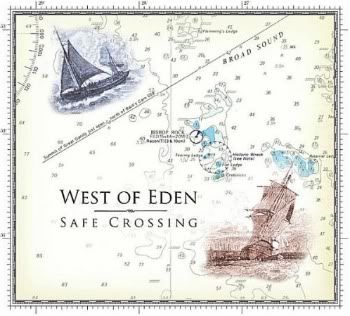
West of Eden is a Swedish band. The Nordic folk music that I have heard has some resemblance to Celtic music, although I’m sure a connoisseur of either genre would be horrified to hear me say so. But the Celts did pass through this part of the world before landing in the British Isles. Safe Crossing is a collection of sea songs, and it is inspired work throughout. Only On She Goes really has that Celtic lilt, but the entire album has one wonderful example of folk-based sea song after another. The album was inspired by John Fowles’ book Shipwreck, and it has led the band to their finest work yet. On She Goes is an original song, and, even though I am a man, the lyric makes me smile. Having never met Jenny Shaub, I am confident of my ability to stay out of the junkyard of her memory.


Emish: South Australia

[purchase]

Emish hails from New York State. They work the same British Isles folk-rock territory that was pioneered by Fairport Convention, but Emish does it with a strong Irish accent, and with a punchy rock edge that seems to come more easily to Americans than to the British. Their songs are sometimes more on the acoustic side, and sometimes all out rockers. South Australia is a traditional tune, and Emish finds that sweet spot right in the middle stylistically. The song also shows off the wonderful vocal harmonies that are an important and beautiful part of their sound.
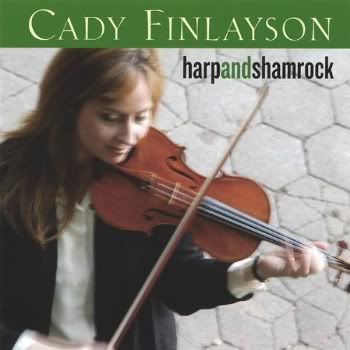

Cady Finlayson: Ms Billye‘s Waltz

[purchase]

And then there are those artists who seek to master the traditional forms, even though the are not “native speakers”, as it were. Cady Finlayson has more recently taken her grounding in Irish folk in some pretty wild directions. But Harp and Shamrock is a set from 2004, and here Finlayson is still doing her apprenticeship. Finlayson is a fiddler from New York City, but she has both traveled extensively in Ireland, and sought out the best Irish players she could find in the United States. The results show that she chose the right musical path. Finlayson navigates the speedy runs of the jigs and reels in this set beautifully and expressively. But she really shines on slow airs like Ms Biilye’s Waltz. Here, her fiddle has an almost human voice, and her “singing” is as emotionally rewarding as any human voice could be. No words are needed.
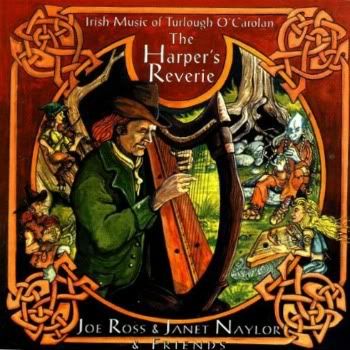

Joe Ross, Janet Naylor, and Friends: Planxty Irwin/ Sheebeg Sheemore

[purchase]

Joe Ross is usually a bluegrass musician, and a fine one. But he can step out and play Celtic music, or jazz-influenced folk. I’m not sure what else he’s capable of, but I will let you know when I find out. Ross has made exactly one album of Celtic music, with harper Janet Naylor. Ross himself wrote about this earlier this week on Star Maker Machine. Naylor only made this one album, as far as I can tell, in 1998. The musical territory here is quite similar to what Cady Finlayson is working with, but the results are quite different. The songs on The Harper’s Reverie are presented as chamber music. The instrument that sounds so unusual on Planxty Irwin/ Sheebeg Sheemore is a bassoon. The music is well played, to be sure, but what this approach really emphasizes is the beauty of the compositions. I doubt that Turlough O’Carolan ever imagined these arrangements of his music, but I think he would have approved.
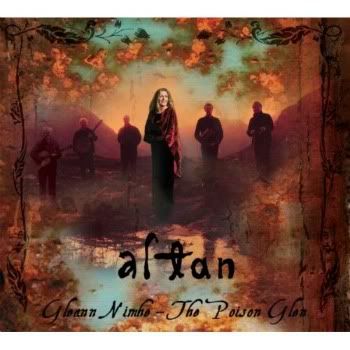

Altan: An Ghealog

[purchase]

And now we arrive in Ireland at last. Ireland is known, among other things, for its seemingly inexhaustible supply of amazing folk sopranos. That said, Mairead Ni Mhaonaigh is certainly one of the best. The Poison Glen, Altan’s new album, is a mix of instrumental pieces and songs. This is the traditional way of making an album of Irish music. The instrumentals here are very fine, but I live for the songs. Most are in Gaelic, but Ni Mhaonaigh’s voice communicates clearly in any language. Altan has been part of the Irish music scene for many years. Some groups have changed their sound, adding a wash of synthesizers, and creating sonic wall paper, while giving Irish music a bad name. The Poison Glen is not strictly traditional, but this music far more grounded in tradition than some of its more flighty cousins. Altan adds wonderful vocal harmonies. The full instrumentation is not listed, but if any electronics are used, they are applied with great subtlety. The songs and instrumentals are a mix of traditional and newer material. The fact that some of the new songs were composed in Gaelic tells you all you need to know about Altan’s desire to keep a connection to tradition while moving that tradition forward.

Saturday, March 10, 2012

Songs From the Spirit


Spirituality as often at its best when it happens by accident. Think about the zealotry of people who find religion as adults compared to the attitude of those who are born to it. I use a broad definition of spirituality, not confined at all to religious belief, but I find that this idea still holds true. So I was happy that this post happened by accident. I originally set out to do a post of hot new releases, but, as I began to choose songs, I noticed a theme developing. The songs were expressing deep emotions, sometimes triggered by a confluence of events. I had a theme on my hands, and two of the albums I had chosen at first fell away, to be replaced by two older albums. The selection of songs brought into focus for me what I mean by spirituality. Let me show you what I mean.


Carrie Newcomer: I Believe

[purchase]

Carrie Newcomer has incorporated spiritual themes, in the way most people use the term, into her songwriting for some time now. She has the gift of being able to frankly discuss this without ever getting preachy. These spiritual themes are even more in the foreground than usual on Newcomer’s new album, Everything is Everywhere. The album is the result of a trip to India Newcomer was able to make, and the chance to work with Indian musicians has made the music sound richer. Given all of this, I Believe, despite the title, might not be the most obvious choice. The song is largely a list of things in the mundane world. For me, that is exactly the point. The song is a wonderful expression of thankfulness for the every day miracles we all too easily overlook, and it is also a beautiful statement of humility in the face of this.


Dave Carter and Tracy Grammer: Till We Have Faces

[purchase]

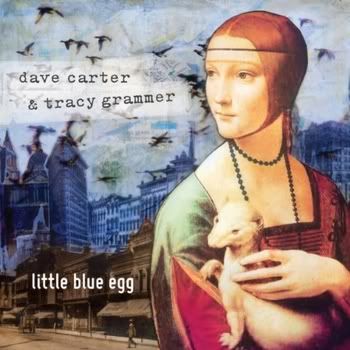
Yes, there is a new album by Dave Carter and Tracy Grammer, and a very fine one. Carter passed on in 2002, but he was a prolific songwriter, and he left behind many songs that had never seen the light of day in his lifetime. In this case, Tracy Grammer discovered some recordings they had made together that she had thought were lost. Carter was the songwriter for the pair, and one of the best. He alternated between spiritual and earthly themes in his writing. Carter’s spirituality was not tethered to any specific religion, which freed him to write lines like “Rock me Goddess in the gentle arms of Eden”. Nor were his beliefs in any way a hodgepodge; rather, he found common ground in a wide variety of spiritual traditions, and he expressed that beautifully in his writing. Till We Have Faces is one of his finest songs of this sort. The song could be a mysterious telling of earthly love, or it could be a description of a ritual binding of body and spirit. It’s probably both. It’s the kind of song that prompts the listener to explore their own spirituality, which is exactly what the best writing of this sort should do. Grammer’s vocals and fiddle work here are also just beautiful. The background vocals are by Claire Bard, who I need to learn more about.


Kyle Alden: The Cap and Bells

[purchase]

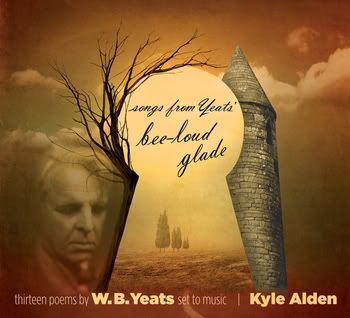
Kyle Alden found his spirit moved by the works of another artist in another time: William Butler Yeats. On a trip to Ireland, Alden visited sites associated with Yeats, and Alden decided to revisit Yeats’ poetry when he got home. Alden says that the music to The Cap and Bells wrote itself, and the rest of the songs here quickly followed. Yeats expressed a spirituality that was very much tied to the physical world. Nature and the lore of specific places were important to him. If you believe that magic can be tied to specific places, Alden appears to have absorbed some of that magic. His musical settings are not Irish music, but they more than do justice to their inspirations.


Lurrie Bell: Peace in the Valley

[Available April 17, 2012, pre-order here]

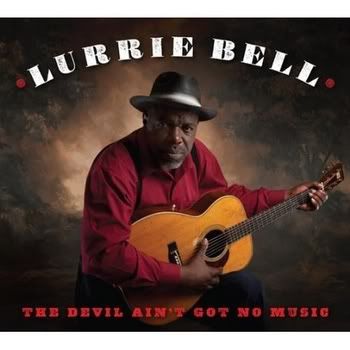
In making connections to spirituality as most people think of it, Lurrie Bell’s rendition of Peace in the Valley would appear to be the easiest fit. The song is, after all, a gospel standard, so what more is there to say? Quite a bit, it turns out. Bell grew up in the American south at a time when musicians had a stark choice to make between playing the blues or gospel. Blues was viewed as the Devil’s music, and this was taken quite seriously. Bell, of course, moved to Chicago, and made a name for himself as one of the best blues artists in a blues town. His blues often features his electric guitar and a good-sized band. But, before Bell left the south, he played gospel. The Devil Ain’t Got No Music is a statement by a man who is beginning to feel his own mortality, an affirmation of faith and a testimony. Stylistically, Bell can not keep the blues out of his gospel music, but the arrangements are stripped down, and the playing is mostly acoustic, although with a sharp edge. This is the sound of a man baring his soul, and Peace in the Valley is a fine example of the music’s power.


Andrew McKnight: Bridges

[purchase]

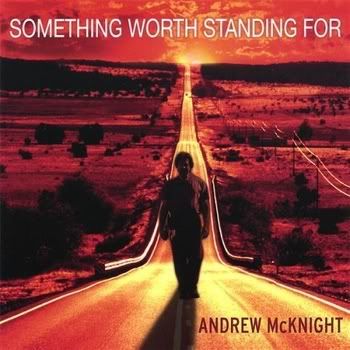
Most people would probably talk about their spirituality in terms of their inner life, and we have seen some fine examples of that. But for Andrew McKnight in 2007, his spirituality was all about how he related to the world outside. His political views are informed by his conscience and beliefs, which makes the political songs on Something Worth Standing For some of the best I have heard. Bridges goes deeper, and explains the trigger for all of this. The song was inspired by the birth of McKnight’s first child, and, in it, he meditates on the sort of world this child will grow up in. Surely, his determination to make that world the best place he can for that child is as much a spiritual statement as anything we have heard here.

Saturday, March 3, 2012

Pop as a Flavor


What is pop music? At different times, it has been Madonna, The Lovin’ Spoonful, and The Clovers, just to name a few. These artists could not sound more different from each other, but each is or was pop. Pop music then is a menu of musical memories and reference points. Listen to Madonna’s Borderland, or a song inspired by it, and you might recall how you felt when you first heard it. That gives songwriters an opening. The ability to invoke these feelings with a musical feel can enhance what they do. The key, often, is to avoid the excesses of the form you are invoking, but still recall that form, and perhaps comment on it. Here are five artists sampling from different parts of the menu, to great effect.


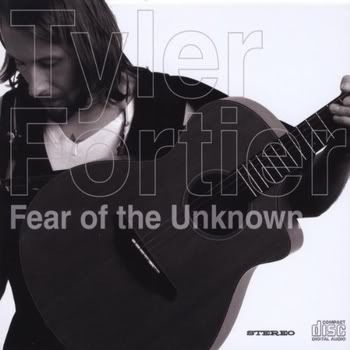
Tyler Fortier: Might As Well Get Saved

[purchase]

Tyler Fortier sometimes makes albums that are almost folk, with not much more than his voice and acoustic guitar. But Fear of the Unknown as a whole is what happens the rest of the time. The band on this album is large, and the music mostly rocks. Fortier uses horns, strings, and some other instruments not often heard in rock to create rich textures that suit the songs well. And then there is the song I have chosen. Might as Well Get Saved represents the middle ground between the two extremes of Fortier’s approach to making music. The song is a ballad, and Fortier sets the song for voice and acoustic guitar. But there is a piano line that weaves around the guitar part, and strengthens it. Fortier’s vocal is almost doubled by a background singer doing a close harmony line. And the whole thing rests on a cushion of organ and trumpet. The result is a work of subtle beauty. The lyric tells the tale of an itinerate preacher who warns all who will listen of the end times. The words don’t tell us entirely what to make of him, but the musical setting conveys sympathy. Fortier does not ask us to agree with this man’s theology, but he wants us to feel the loneliness of his self-appointed mission. The combination of words and musical setting convey that beautifully.


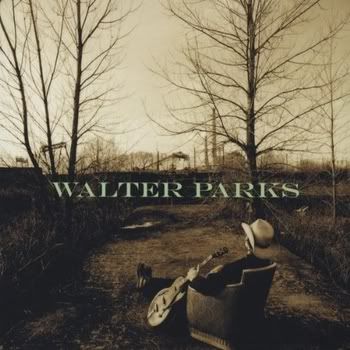
Walter Parks: New Mexico

[purchase]

New Mexico is almost the negative example of my thesis here. Parks makes this one work by what he leaves out. The lyric could be pure country, and in fact, someone like George Strait could probably have a massive hit with it. Parks tells the story of a woman in North Carolina who feels that she must leave her life and a lover behind, and restart her life in New Mexico. A country version of this would drench the song in pedal steel and strings. But Parks strips the song down, with a spare arrangement for drums, bass, and guitar, with some subtle lap steel that is mostly atmospheric. The arrangement features lots of space that must go unfilled, as the lyric tells us. The emotion of the piece is that much stronger because of its sparseness, and that is emphasized because of what we expect a song like this to sound like. Parks takes a subject that could have been a cliché, and makes it true.


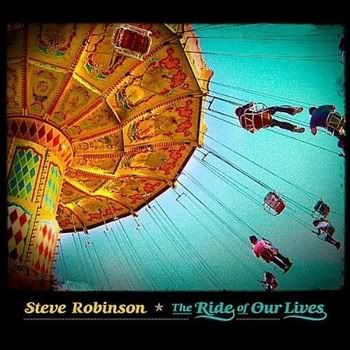
Steve Robinson: Riddles

[purchase]

Steve Robinson goes in the opposite direction, to wonderful effect. Riddles begins with just Robinson’s fine tenor and acoustic guitar. But then the layers of sound begin to accumulate, and soon we are close to a sound like The Beatles at their psychedelic best. One can also hear the fact that Robinson worked with Roger McGuinn for some time, and there are some intimations of the best of The Moody Blues. It adds up to pure pop bliss. Robinson is no musical tourist; it is clear that this is his musical home, and I was glad to accept his invitation to visit him there.


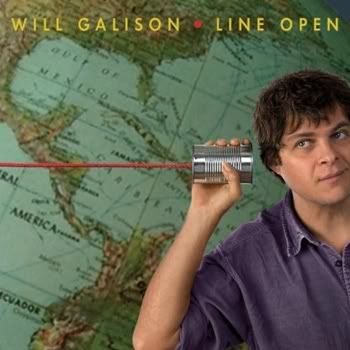
Will Galison: Bobby & Sally

[purchase]

Like Steve Robinson, Will Galison has a sure touch with big arrangements. The songs here are constructed as they were in the 1950’s, but filtered through modern sensibilities. Galison creates great grooves, aches just right on the ballads, and delivers a perfect love duet with Sonya Valet on the title track. But Bobby & Sally gets everything sublimely perfect. The lyric is a quirky and delightful love story, and Galison becomes the second songwriter I know of, after John Hiatt, to use the word amoeba in a song and do it well. The whole thing rides on a vaguely Latin groove, and Galison’s emotive tenor caps it all off. I can’t sit still to this one, and I find it hard to resist singing along. Repeated listens have done nothing to dim my enthusiasm.


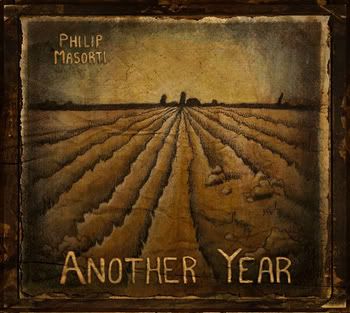
Phillip Masorti: Cheaper

[purchase]

Cheaper gathers itself out of chaos, and settles into a stabbing groove. The lyric is enigmatic. The song could be a metaphorical expression of the dangers of love, but there are also lines that could be taken as drug references. What comes through clearly is the combined sense of excitement and danger. Musically, it’s easy to hear this one as hard rock, but Phillip Masorti does something far more interesting. The groove comes from drums played with brushes, electric bass, acoustic guitar, and mandolin. The sense of danger is heightened by a ragged fiddle part and a scarred electric guitar line. Masorti’s low baritone slinks on top of this, and the feeling is complete. There is no need to get louder; this one has all of the power it could possibly need.

Monday, February 20, 2012

Gathering of Friends


I imagine a room that seems to have only one woman in it, with her guitar. But she only seems to be alone. The muse of songwriting is there with her, invisible even to her. As she sings and plays a new song, other musicians are drawn to her, and they come and listen. Some take out instruments and join in. Soon her song is over, and another singer starts up where she left off, the muse having gone to the new singer. More musicians join in, and more singers take up the task in turn. Soon, there is a full band, inspired by each other and this invisible presence. And then the moment passes, but the songs remain. I am happy to present them now.


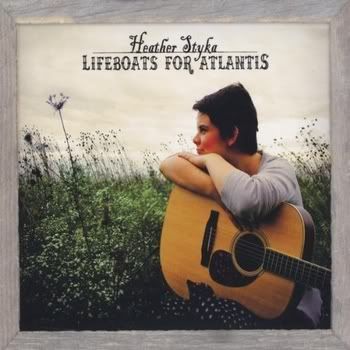
Heather Styka: Lucy and Sarah

[purchase]

Heather Styka is that woman alone, but her song Lucy and Sarah soon draws a sympathetic fiddler to her side. No wonder. The song is a remarkable ballad of depression and the power of friendship. It’s not all that easy to make me cry, but the quiet power of this one did the trick. The impact of the song builds through the details of what Styka leaves out, as well as what she puts in. Her performance does the writing justice. Other songs on Lifeboats for Atlantis have fuller arrangements, but the writing is always there, and Styka gives each song just what it needs.


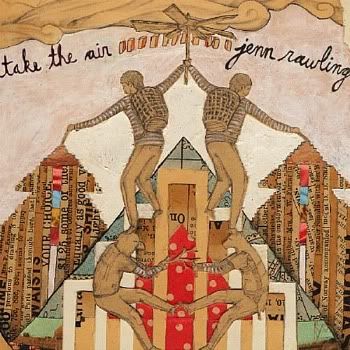
Jenn Rawling: Big Old Lake

[purchase]

Jenn Rawling is the one whose name is on the album cover, but Take the Air is the work of the duo or Rawling and Basho Parks. Big Old Lake has Rawling on guitar and Parks on fiddle joined by Willem Joersz on standup bass, and the interplay of this trio, plus a drummer playing with brushes for subtle accents, carries the sound here. The song describes the realization that a place the narrator has been away from is no longer home. The situation is bittersweet, and that comes through beautifully. Elsewhere, Rawling and Parks add banjo, keyboards, and even trumpet on three songs. It adds up to some unusual textures for folk-based music, but all makes sense when you hear it.


The Good Intentions: The Sound of Time Passing

[purchase]

First of all, a consumer warning. The Good Intentions heard here are a British folk/ Americana band whose only previous album was Poor Boy. There is also an American group called The Good Intentions, and there is a rock band called Good Intentions, without the The.

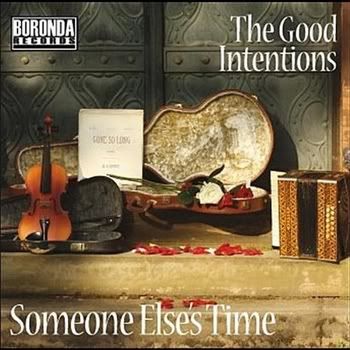
The concept of British Americana is an interesting one. It’s not hard to imagine an American musician writing these songs, but the performances here are both more restrained and more polished than an American band might have done. That means that the pleasures of this album are subtle, but they do get under your skin. These Good Intentions are a trio, all of whom sing, and the vocal harmonies are one of the things that make this album something special. The Sound of Time Passing is a sweetly nostalgic song that shows just how beautifully the group’s approach can benefit a song.


Nancy K Dillon: New Train

[purchase]

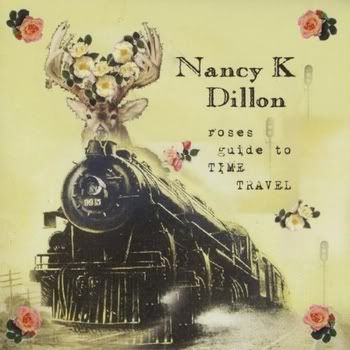
On Rose’s Guide to Time Travel, Nancy K Dillon’s songs are pulled between folk and rock. On New Train, this tension comes out in the interplay between the haunting electric guitar and the fiddle. The song is a folk-gospel number, but the setting here gives this kind of song a new power. Elsewhere on the album, there are more folkish numbers, but that creative tension is always there. Dillon’s strong vocals and emotional commitment to the material hold the whole thing together and make it memorable.


Dave McGraw and Mandy Fer: Forget the Diamonds

[purchase]

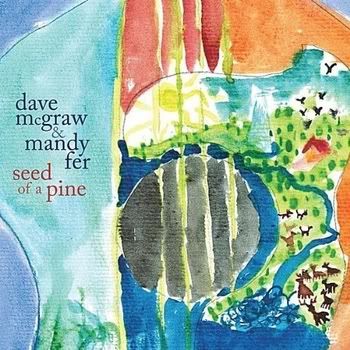
Forget the Diamonds is essentially a rock song, and a fine one. But the electric guitar player has left my imaginary room, and the arrangement is acoustic. No matter. The power that the best rock songs convey is here, along with some tasty fiddle lines in the middle. The quieter moments on this album reveal just how much of a joy it would be to hear these songs performed by just the duo of Mandy Fer and Dave McGraw, But the arrangements here give the songs extra bite, and they thrive under this treatment. Both Fer and McGraw have turns on lead vocals, and each holds their own quite nicely in the fuller arrangements.

Thursday, February 9, 2012

Jazz Heritage


More than any others, jazz musicians are acutely aware of where the music came from, and how they fit within it. This is just as true of the singers as the instrumentalists. Whether making a personal statement about their musical roots or taking the next step in the progression, where they came from informs the work of many jazz artists. I am fortunate to have some remarkable examples of this.


Macy Chen: The Wandering Songstress

[purchase]

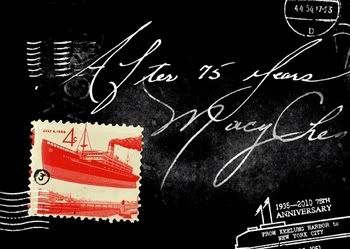
Macy Chen’s connection is deeply personal, and After 75 Years is one of the most unusual packages I have ever received. The package holds a series of letters and song lyrics, in English and Chinese. There are also envelopes and an introduction, and, of course, the CD. The letters are sent by Chen’s grandfather from 75 years in the past, and back again by Chen into that past. This correspondence is a work of fiction, but that isn’t the whole story. The grandfather was real enough, and he left a family behind in China to pursue a career in jazz in Japan in 1935. Chen also left China, where she had a career in Chinese pop music, to pursue her love of jazz in New York City. In the letters, the two discuss the momentousness of the choice they have made. The songs on the CD are all sung in Chinese, the language in which most of them were written. The English translations are poetically rendered, I believe by Chen herself. If so, I would gladly read a novel of hers if she chose to write one.

As beautiful as the writing is, the focus should also be on the music. I am no expert on Chinese music, but I believe that I hear accents of it in these songs, most clearly in The Wandering Songstress. I don’t know if the combination ought to work, but it certainly does here. This is certainly jazz, but with a subtle sweetness that comes from somewhere else. The music swings, and Chen sings with enough emotion that these songs can be fully enjoyed without translation. My advice is to spend time with both the writing and the music, but not at the same time. Each deserves your full attention, and rewards it richly.


Sylvie Boisel: Cry Me a River

[purchase]

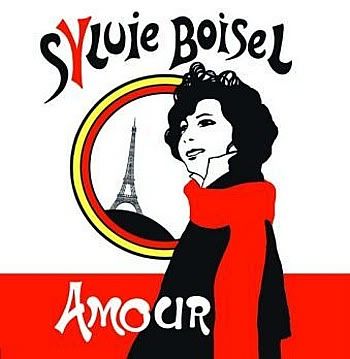
Sylvie Boisel began her singing career in Paris, but she now calls Australia home. In her approach to jazz singing, she has brought Paris with her. This program of eleven songs includes staples of Paris from Edith Piaf and Serge Gainsbourg. So it would be easy to descend into cliché, and many singers have succumbed. Boisel never does. Her love of this material shines through. The production is lush, but never overdone. Everything is hit just right here, but this is no museum piece either. Boisel puts this across as part of a tradition that is very much alive. Amour is her debut, and I am looking forward to seeing how her talent develops.


Alexis Parsons: Just Squeeze Me

[purchase]

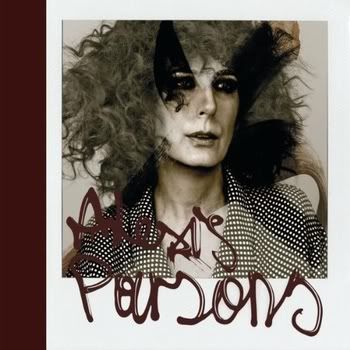
Alexis Parsons also finds inspiration in a program of standards, although she has made a point of choosing ones that are not the best known. But, on what I believe is Parsons’ debut, she has made a brave choice to perform these songs with just one accompanist, Frank Kimbrough on piano. So there are no drums or bass keeping time; Parsons and Kimbrough have to do that themselves. It gives both of them the freedom to be a little looser with the beat, a potential booby trap. They navigate it beautifully. Parsons has a sweetness in her voice that doesn’t get overdone in these arrangements, so it comes off as a winning quality. My first thought was that the performances lacked intensity, but I realized that that was just my reliance on a rhythm section. Once I got over myself, I realized just how emotionally committed these performances are. So, listen to this once, and then maybe once more once you know what to expect. Alexis Parsons will reward your extra attention here.


Catherine Russell: No More

[purchase]

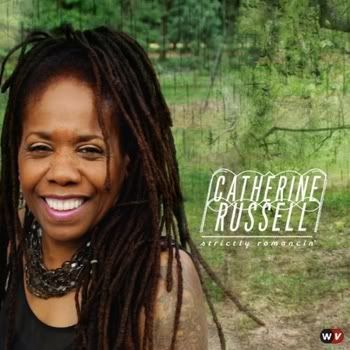
When I reviewed Catherine Russell‘s last album, I remarked that I could hear her love and respect for the history of jazz song. But that album drew on blues and even some avant garde influences. Perhaps Russell has reached a point in her career where she felt ready to put her stamp on a more straight-ahead set of standards. Or maybe, she will go back to what she did before, or something new and unexpected, next time. For now, Russell has delivered Strictly Romancin’. This one is a set of standards served up in a fairly traditional way, arranged for voice and a small jazz combo. This one breaks no new ground, but the performances are stellar. Russell’s commitment to this material is total, and she makes these songs new just by believing in them. Lyrically, the emphasis is on romantic notions of love. Today, many people are jaded, but Russell is not, and she makes love sound beautiful again.


Jocelyn Medina: Same Mistakes

[purchase]

The foundation of Jocelyn Medina’s album We Are Water is a strain of jazz that began in the 1960s, and flourished in the 70s and into the 80s. For lack of a better term, there was a “cosmic consciousness” that some artists would embrace, that would eventually lead to new age music. On the way there, there would be some overdone self-indulgent jazz albums as well. Medina goes back to the roots of this. Musically, she strips down the style, and arranges it for a mostly acoustic small jazz combo that really cooks. In her lyrics, Medina talks about her relationship with the forces of nature, but she does so in a (pardon the expression), completely natural way. Her soprano floats along with the band, but she also has enough grit in her voice to make this real. And that’s the key. Medina believes in this material, so she doesn’t have the need to oversell it. More than anything, what comes through is her joy. The listener can not help but feel it as well.

Saturday, January 28, 2012

Hat Check Girl - Six Bucks Shy


[purchase]

It would be easy to report that Hat Check Girl is the duo of Peter Gallway and Annie Gallup. That’s them on the album cover, and that was true of their debut album, Tenderness. But the inside cover of the new album has three musicians listed in bold type, and guest musician Mark Dann listed in plain type. The new “member” is drummer Jerry Marotta, who also co-wrote all but two of the new album’s thirteen songs. Yes, that Jerry Marotta! Liner note freaks like myself will know the name from Marotta’s work with Peter Gabriel and others. You might expect that Marotta would add punch, and that his presence here would mean that this album rocks out. There are times when his drumming adds a pulse that really propels this music, as in What Hemmingway Said, but it is never over the top. Marotta has a talent for creating texture with his playing, and that is often more to the point here. Marotta’s contribution is sometimes little more than a subtle line played with brushes. On top of that, Gallup and Gallway’s guitar lines intertwine like a caress, as do their breathy vocals. Dann adds bass and/or keyboard lines with a light touch. It all adds up to the most sensual-sounding music I have heard at least since Chris Isaac’s Wicked Game.

This sensuality is very much to the point. Six Bucks Shy is a collection of songs about heated moments. It can be the delicious passion of a forbidden tryst or the adrenaline rush of an actual crime. The songs present the passion of stolen moments, when voices can not be raised for fear of discovery. The writing does something rare. I admire songs which tell stories, but also those which capture the complex mood of a moment in time. These songs do both. August Sin sounds like the heat of the day it describes, and the tryst it presents is described in all of its languid passion. But the back story of how these lovers came to be here is also sketched in lightly. Getaway Car captures the rush of a minor heist, but also fills in the back story of the two characters. Echo Echo uses something as insubstantial as a radio signal floating in the ether to tell the tale of a tender parting in wartime. Cigarette Girl describes the push and pull of a flirtation, while it gets inside the hearts of its two characters to show us what each risks in this meeting. All of these and more are wonderfully economic pieces of writing. But the marvel of the bunch is Leave Most of It Out. Annie Gallup’s narrator talks around the real subject of this song. She reminisces about her now gone husband, and describes how she is raising their children. Only gradually, you realize the part she can not bring herself to put into words. The husband died in the World Trade Center on that awful day in 2001. No graphic description of that day could convey the sorrow as eloquently as this woman’s silence.

I would be leery of hearing covers of these songs. Gallup, Gallway, and Marotta have crafted eloquent gems of songs, and the performances smolder with barely contained heat. It would be all to easy to do to much with these songs, or too little. Hat Check Girl hits everything exactly right.

Hat Check Girl: Getaway Car

Hat Check Girl: What Hemmingway Said

******************************************************

Blog business: This will be my last full album review here for the time being. I have become involved in some things, and I find that this kind of post requires me set aside a large block of time that I am finding it increasingly difficult to find. I will be going back to spotlight posts and single-song coverage. On the plus side, I am hoping that this will mean that I can get back to posting far more often than I have been lately.

Saturday, January 7, 2012

New Year’s Special: at the “Lord of Two Faces”


A belated Happy New Year to all of my readers. New Years is the time not only for looking forward, but also for looking back at the old year and summing up. This is why the month of January takes its name from the ancient Roman god Janus, who had two faces, and was always looking behind him and forward at the same time. The Lord of Two Faces, a club named after him, would feature a selection of music that moves forward by drawing on the past in new ways. It’s a tricky thing to balance. The music can sound like an oldies act if overdone in one way, or it can come unmoored from the body of tradition that inspired it if overdone the other way. But, when the proper balance is found, the resulting music can sound both familiar and refreshingly new at the same time. Let’s have a listen.


Mark “Pocket“ Goldberg: This Train

[purchase]

The foundation for the music of Mark “Pocket” Goldberg is clearly the blues. The music is partially electric, but Goldberg’s instrument is the stand up bass. In terms of vocals, Goldberg has the bluesy growl you would expect if you thought that Howlin’ Wolf and Tom Waits were somehow related to him. Despite that, Goldberg can sound very soulful on the ballads here. This Train is more of a blues incantation than a ballad. Goldberg and his band are after a gritty intimacy here, and they hit it perfectly. Rather than sounding like something crafted in a recording studio, (even though it surely was), this music sounds like something that was in a man’s heart and just had to come out. The gospel-like backing vocals in This Train are done in a way that only enhances this effect. All of the songs here were written or co-written by Goldberg. Within the blues form, which he stretches somewhat, Goldberg writes more involved lyrics than are typical of the blues. This allows Goldberg to tell detailed stories, but the emotional immediacy of the blues is preserved.


The Way Down Low: Check My Condition

[purchase]

The Way Down Low are a four piece band whose members play mandolin, acoustic guitar, banjo, and upright bass. Three of the band members sing. Must be bluegrass, right? Not exactly. Bluegrass is certainly an element, but so is rock. The band displays a sensibility that reminds me of the Violent Femmes. And there is also a jazzy element that shows up more prominently in some songs than others. The Way Down Low get all of this to make perfect sense, through their high energy performances. Perhaps the most remarkable aspect of all this is the fact that this is their debut album. They show an assurance and a well defined sense of musical identity that is very rare for a new band. The future for the Way Down Low seems very bright.


Elephant Revival: Drop

[purchase]

Elephant Revival is a five piece band. Between them, the play eighteen different instruments, so they have a lot of options in terms of arranging their songs. One of the highlights is their beautiful arrangements for strings. Band members play violin and cello, and they bring extra violin or cello players on some songs. I use the word violin instead of fiddle, because of how it is played here. The music of Elephant Revival combines elements of folk and classical in songs that have a delicate power. That may seem like a contradiction, but they make it work. The band has both male and female singers, both on lead and background vocals. So again, they have a lot of options, and they know what to do with them. The singers each have their own personalities that come through when they sing lead, but the band has a consistency in their sound, even when they are working with a wonderful variety of musical textures. You can ignore all of this, and just enjoy a wonderful set of emotionally engaging songs. But this music is also very rich, and should greatly reward repeated playings.


Biscuit Kings: The Day I Met My Waterloo

[purchase]

In the Day I Met My Waterloo, we are musically in New Orleans. The house is rockin’, and you can just about smell the gumbo in this song. But step back a bit, and you will notice that the smallish band is playing entirely acoustic instruments. Biscuit Kings are the duo of singer and songwriter Johnny Pierre and bass player Jeff Goldstein. Pierre plays guitar, keyboards and percussion, and there is a decent sized group of guest musicians. But this album is all about making a big sound with a group that is no larger than absolutely necessary. One key to making that possible is Pierre’s voice. He half-growls half-sings in a friendly but gruff baritone that is actually quite musical. When he gets to the ballads, of which there are quite a few, his voice manages to be intimate and emotional at the same time. Some of the instruments eventually get plugged in, but the power of this music comes from that voice, and the tightness of the band. Normally, I would wonder how the music would hold up when performed live by just the duo, but Pierre and Goldstein have earned my trust here.


Malcolm Hunter & the Makeshift Dream Orchestra: Hangups

[purchase]

Suppose I told you that someone had discovered a long-lost tape from 1979 of an album that was never released, and that featured collaborations between Steely Dan, Michael Franks, and Gil Scott-Heron. To my knowledge, no such tapes ever existed, but Malcolm Hunter’s album Nostalgia in My Square Head is what they might have sounded like. It’s a heady mixture, and it really works. In the midst of all of this, Hunter includes a cover of a Charles Mingus tune, and it feels right at home. Hunter’s voice has that cool breeziness that Franks was known for, but with some of Scott-Heron’s grit. The arranging ideas, especially the interplay between Hunter and his background singers, are from the Steely Dan playbook. But this album doesn’t feel like a pastiche at all. It feels like the work of a talented artist who is paying homage to his inspirations, and laying down a solid foundation from which to build his own thing. Hunter is going to be an artist to keep an eye on as he develops his talent, and this is a great place to start.