Saturday, March 5, 2011

My Country Station


In an alternate universe, country music had its punk moment, somewhere around the time actual punk emerged. In this other dimension or timeline, Nashville was flooded by a wave of bands and artists who rebelled against overblown productions and slick commerciality. Their music was fast and loud, and pundits thought that Music Row could just ignore them, and they would go away. But these rebels came out with Country Music Television, (remember, this is an alternate universe), and suddenly they started to sell massive amounts of records. The first artist on CMT, (“I want my…”), was Rank and File, and Dwight Yoakum would get there in due course. In the way of these things, there would eventually be a mellower sister channel, which welcomed the “new traditionalists” like The Whites with open arms, and later broke artists such as Red Molly. The upshot of the matter was that now, thirty years later, country music is only just rediscovering huge productions and glib faux emotion. But the biggest songs are still the ones that are descended from that country-punk wave of the eighties. Let’s have a listen to some recent and upcoming chart-toppers, shall we?
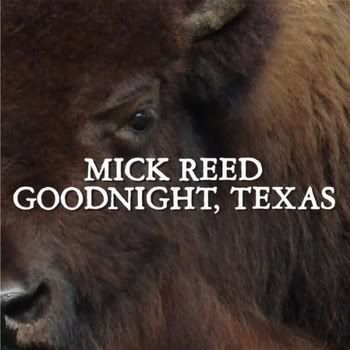

Mick Reed: That Old Brass Ring

[purchase]

For country, Mick Reed’s voice would be considered a high baritone. He can deliver a biting uptempo number like Singapore Sling, complete with the word play that has such a venerable history in country music. But Reed really shines on the ballads, and there are plenty of those here. That Old Brass Ring presents an older man looking back at the dreams and plans of his youth. The song is eloquent, musically as well as lyrically, and the production is exactly right, with not a note wasted. There is one ringer on this album; the closing number is a duet with pop-jazz singer Madeleine Peyroux, and it works beautifully. So the feel here is mostly country, but Mick Reed can do other things as well. Based on the music on Goodnight Texas, it will be well worth seeing what he does next.
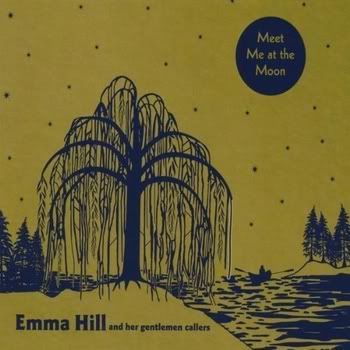

Emma Hill and Her Gentlemen Callers: Meet Me at the Moon

[purchase]

Any discussion of Emma Hill must begin with her voice. Hill has a rich and smooth alto that I could listen to all day. But emotion comes first, and Hill delivers that beautifully. Meet Me at the Moon, the album, is a collection of ballads and midtempo songs, all delivered from the heart. The Gentlemen Callers are a new addition since I last looked in on Emma Hill, and they give the proceedings a definite country flavor. It suits Hill beautifully, and the title track is a fine example. Meet Me at the Moon, the song, is a wonderful declaration of love from a distance. It starts with just Hill and her acoustic guitar. The pedal steel comes in at the chorus, intertwining beautifully with the vocal line. Finally, the rest of the band comes in on the second verse, and the song acquires a road rhythm that perfectly sets the mood of travel. Hill and her lover are apart, but the band lets us know that she is coming home.
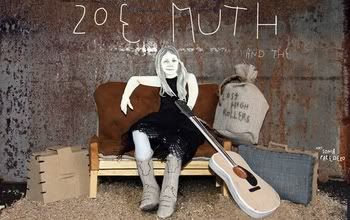

Zoe Muth and the Lost High Rollers: Let‘s Just Be Friends For Tonight

[to be released April 19, 2011. Link from here to purchase at that time]

I stated in my introduction that everything changed in my alternate 1980s, but the music of Zoe Muth and the Lost High Rollers looks back further, to the classic country sounds of the 1950s. Muth has that classic twangy alto down, and it’s no pose. Let’s Just Be Friends For Tonight is about a woman who wants to avoid commitment as she rebounds from a hurtful breakup; most of that story comes through not in the words themselves but in how Muth sings them. The music on Starlight Hotel begins with a Mariachi blast on the opening song, and proceeds through a marvelous tour of classic country sounds. You can tell that Muth and her band love this music, and they mean every note. Starlight Hotel comes out on April 19. Watch for it.
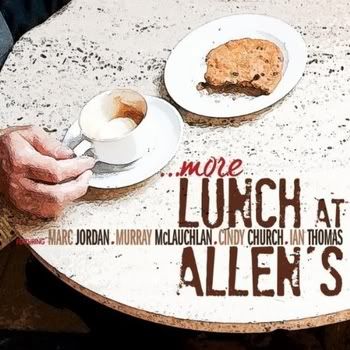

Lunch at Allen‘s: Sweeping the Spotlight Away

[purchase]

Lunch at Allen’s is a band that consists of Canadian singer-songwriters Marc Jordan, Murray McLauchlan, Cindy Church, and Ian Thomas. More… is their third album, and Church and McLauchlan cowrote one of the songs here, so the level of collaboration is a bit tighter than a Redbird or a Cry Cry Cry. The music ranges over many genre boundaries; there are tastes of folk, country, blue-eyed soul, and even jazz. Murray McLauchlan steps out for Sweeping the Spotlight Away, and he delivers a portrait of the man who stays when everyone else has gone, and cleans up the dreams of the circus. This would unbearably maudlin in some other hands, but McLauchlan and friends hit it perfectly, and make the song something profound. The album as a whole is far more coherent than it ought to be, with all of the different musical styles, and the quality is consistently high. This album does what any collaboration should: it makes me want to know more about each of the individual artists.

Renee Wahl: Keeping You For Mine

[purchase]

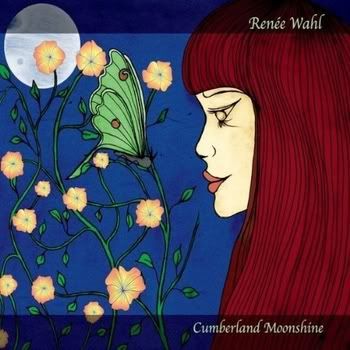
The scorned lover is a classic figure in country music. Renee Wahl takes this archetype and plays with it a bit. I don’t want to give anything away, but keep your ears open at the chorus, and you’ll see what I mean. The song gets a beautifully rendered spooky vibe. On Cumberland Moonshine, the twang in Renee Wahl’s voice comes and goes. It’s not an affectation; it’s just a tool that Wahl uses to get the emotion of her songs across, and she has others. She can go from the sweetness of a Dolly Parton to almost the sharp tone of a Maria McKee, and Wahl uses this expressive range perfectly, giving each song what it needs. The music has rockabilly accents, and even a bluesy flavor in places, but it is unmistakably country.
Saturday, September 18, 2010

Women’s Music?


I haven’t kept track recently. Do they still consider “women’s music” as a musical genre unto itself? The category arose in the 1970s, as a response to the feminist movement. You don’t generally hear of “men’s music”, but there it was. The idea was supposed to be that this was music that affirmed a woman’s identity as a woman, and served as a reaffirmation. I can see the value of that. But the label “women’s music” became something that was applied to a lot of music that wasn’t really very good, and probably wouldn’t have been released otherwise. It also meant that the good “women’s music” that came out wasn’t being heard by a male audience that might well have enjoyed it.

If you look over my reviews and Spotlights, you will see that I post a lot of music by women, possibly more than by men. I am a man, but I don’t like certain things that are considered male attributes. Music that is aggressive, or threatens violence in anger, probably won’t make it here. I believe that conflicts should be settled by an open discussion of feelings whenever possible. (Let me add that I am not angel, and I can’t always resolve the conflicts in my own life in the manner I would like.) So maybe that leads me more to the music by women than would otherwise happen. But to me, “women’s music” should be for the widest possible audience of both genders, and should simply be music that is made by women, and represents an honest account of their feelings. Could the songs in this post have been done by men? I will leave that question to my readers and listeners.


Joan Shelley: The Buzzard Song

[purchase]

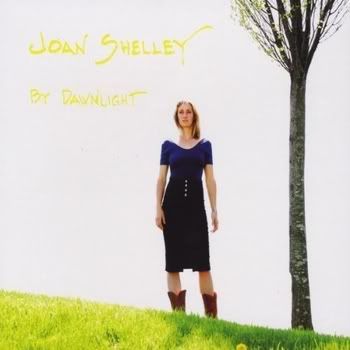
Joan Shelley’s album By Dawnlight can best be described as Americana. There are songs with a bluegrass flavor, outright rockers, and gorgeous country flavored ballads. But The Buzzard Song is a wonderful bluesy piece with a desert wind blowing through it. The song describes a dieing relationship with an eloquent metaphor, and it all works perfectly. Shelley shows herself to be a wonderfully emotional writer and singer. By Dawnlight is her debut, and I look forward to following her career from here.


Laurie McClain: He Smiled Like an Angel

[purchase]

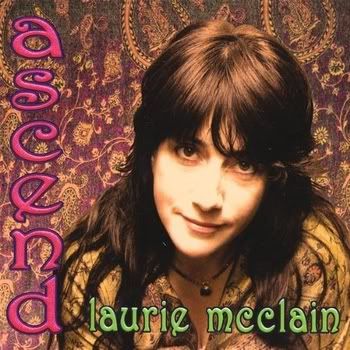
I don’t know the full story behind the song He Smiled Like an Angel, but there are ample clues. Laurie McClain’s brother Danny evidently died too young, and, on the album Ascend, McClain works through her feelings. Sometimes, she needs distraction, and she thinks of happier things for a song or two. There are songs where her sorrow appears to spill over into other parts of her life. And there are a number of songs where McClain turns to her faith, seeking comfort. Mourning doesn’t happen in a straight line, and the album as a whole feels very real. He Smiled Like an Angel is one of those songs that puts a lump in my throat. In a dream, McClain sees her brother in the afterlife, and receives the assurance that he has gone to a better place. The song is beautifully realized, and there was never any question in my mind about which song to post from this album.


Emma Hill: Doctor

[purchase]

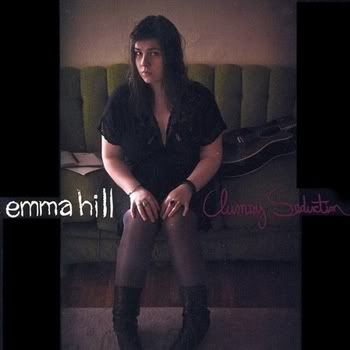
On the album Clumsy Seduction, Emma Hill wrestles with issues of addiction. Singing in a smoky alto that sometimes reaches into the soprano range in a cry of pain, many of the songs here sound like a cry for help. The songs tend to start with just Hill’s voice and guitar, and the sound is thin. But the rest of the instruments join in bit by bit, and the songs gather strength. On some songs, this takes quite some time. This technique allows Hill’s narrators to try to break out of their situations. As with McClain’s album, progress does not come in a straight line, and the music waxes and wanes in the space of a single song. Doctor gets this done faster than some of the songs, and it shows just how powerful this technique is. Throughout the album, Hill also displays a wonderful imagination with the musical textures she creates. This one will grow on you.


Julie Peel: Unfold

[purchase]

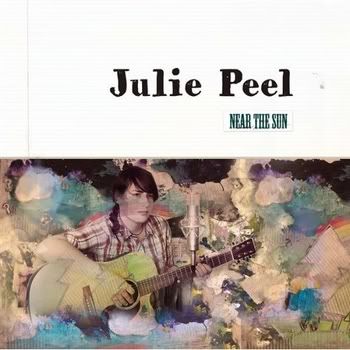
By my count, Julie Peel plays 11 different instruments on her album Near the Sun. This includes various types of simple keyboard fills and even kazoo on one song, but she also shows a real talent on piano and almost anything with strings. She also has great support on drums, stand up bass, and cello. This allows her to create a wonderful variety of musical textures. But none of that is for show. Near the Sun is a collection of heartbreak songs, and Unfold is a perfect example of how Peel gets this across. The rhythm section sets up a heartbeat, and Peel sings over that, with the emotion of her vocal enhanced by commentary from the cello. It all works beautifully, and Peel’s words say all they have to. The song is mournful, but the lyric is understated in a way that makes it that much more powerful.


Janey Todd: How Much?

[purchase]

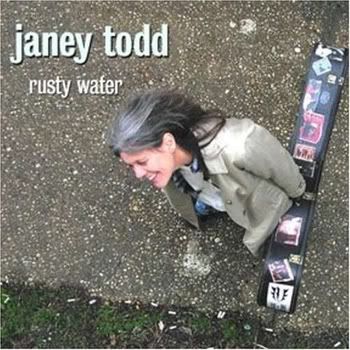
When I reviewed George Wirth’s album The Last Good Kiss, I praised his talent for songwriting. There was only one song on the album that Wirth did not write, and that was Dreamland by Janey Todd. Wirth obviously felt that Todd’s song was good enough to stand alongside his own. That’s high praise, and I agree with it. Here are eleven more songs that prove that Dreamland was no fluke. Alcatraz is a tall tale with a skewed sense of humor. Whistle Dixie is a saucy kiss-off. Elsewhere, there are songs of relationships gone awry. Throughout, Todd speaks her mind, and doesn’t worry about who she might offend. She sees the world in her own way, and it’s a fascinating place. The music ranges from folk-rock to rock, and Todd has a great feel for what each song needs. Her voice sometimes reminds me of Michelle Shocked in her perkier moments, and sometimes of Lou Reed at his most melodic. It works beautifully. How Much? shows off her technique well, and as happens throughout this album, the emotion comes through loud and clear.