Tuesday, April 20, 2010

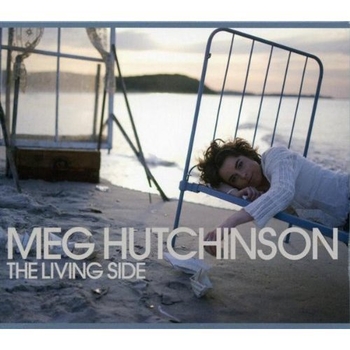
Meg Hutchinson - The Living Side


[purchase]

Meg Hutchinson records for Red House records. Based on what I have heard from that label before, I thought this album would make a nice segue from Americana week. It didn’t work out that way. But it does make a nice lead-in to a week of music that doesn’t fit any musical genre. Welcome.

If there is no label that conveniently describes the music of Meg Hutchinson, how shall I proceed? Well, have you ever participated in a guided meditation? There is a leader, who speaks softly, describing in broad strokes a scene and a sequence of events, leaving many blanks for the participants to fill in, each in their own way. The participants are lying down with their eyes closed, breathing slowly and evenly, taking this in and each making their own journey of it. On The Living Side, Hutchinson takes us on quite a journey.

Let me hasten to add that this is not new age music by any stretch. There is great substance to both the words and the music here. And they are both finely crafted. But this music is very delicate and hushed. To take us on that journey, Hutchinson cannot startle or jar us. She must manage the trick of varying the feel and texture of the music, while not breaking our trance. And for those who wish to listen without traveling, Hutchinson must also make music that rewards close listening. She does.

Most of the songs feature acoustic guitar, bass, an electric keyboard, and often drum sequences. Sometimes there is also electric guitar, and a string quartet is used here in a way I have never heard before; the bows across the strings sound like breathing. Likewise, an accordion shows up sometimes, again as I have never heard it used before; it plays single chord drones that sound like something out of Eastern music. Hutchinson adds her low and intimate alto parts, and her background vocal parts are done as overdubs, often recorded differently than the lead vocals. I don’t know the technical aspects of this, but this contrast between the lead and background vocals gives this music a wonderful otherworldly effect.

The songs on The Living Side are mostly about love and faith, both in one’s self and each other. But there are turns of phrase that take the songs to unexpected places. Hopeful Things begins, “When I drink whiskey, sometimes I do things I don’t regret.” Now, Hutchinson has our attention for a song of hope. The chorus recalls an incident from a little while ago, where an airline pilot, facing a crash landing, was able to put the plane down in the Hudson River; it was considered a crash, but all on board walked away from it. The song, though, is more personal, talking about hope in a relationship.

Gatekeeper shows another side of Hutchinson’s gift. This song conveys a wonderful quiet intimacy. And Hutchinson can evoke a place or a scene in a single line. Hard to Change has a line about, “Driving south from New York City…toward the strange glow of the factories…” I live in New Jersey, and I know exactly what and where she means. Travel In has a more extended description of the Great Lakes region, and I’m sure it’s just as accurate.

So that’s what I hear when I listen to The Living Side. As happens with guided meditations, you may hear something quite different. If that happens, I hope you will share it in the comments. And I look forward to the chance to take more journeys with Meg Hutchinson in the future.

Meg Hutchinson: Gatekeeper

Meg Hutchinson: Hopeful Things

Saturday, April 17, 2010

Americana Festival Finale


In this series of posts, I have been exploring the intersection of country and Americana music. But Americana is a label that covers more ground. At the outer edges of Americana are some artists whose music shares only the most tenuous connection with country music. The combination of instruments may be the same, but the results are quite different.


Kevin Higgins: The Levee Boys

[purchase]

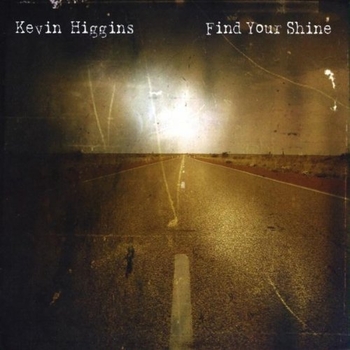
Kevin Higgins has a band which includes drums, bass, acoustic and electric guitars, and piano. Three guest musicians add pedal steel, organ or accordion, and fiddle or mandolin to some songs. Higgins sings in a weathered baritone that sometimes sounds like a Texas version of Mark Knopfler. All of the elements of country music are in place. But the piano is used in a way you never hear in country. The piano parts are single or two note runs, and the effect is like the tolling of a bell. And Higgins’ songs develop slowly. Country music is the last refuge of the three minute pop song, but Higgins often needs five minutes or more to let his songs cast their spell.

And they do cast a spell. You can feel the wind blowing the dust across the flatlands. This is especially powerful on the lead track of Find Your Shine. Out in the Fields is about a tornado strike, and Higgins lets you feel the wind gathering. Elsewhere, the wind is more gentle, but it blows through all of these songs.

I mentioned that Higgins writes long songs. He needs the extra length, because he is storyteller, and a very fine one. The track I have chosen is the story that struck me most powerfully. The Levee Boys are a group of childhood friends who grow up quickly one summer. Into their midst comes a new boy who they discover is being beaten by his father. They must decide whether to protect him, and why. It is an experience that changes them forever. The tale is told through adult eyes by one of the Levee Boys looking back, and still digesting the experience. There is no moral, and the resolution is uncertain. Higgins leaves the listener to think about this, and fill in some of the blanks. It’s powerful stuff. Again, I have mentioned that country music as practiced nowadays is comfort music, so it has no room for this kind of storytelling. I’m glad that Kevin Higgins does.


Ian Tamblyn: Afghanistan

[purchase]

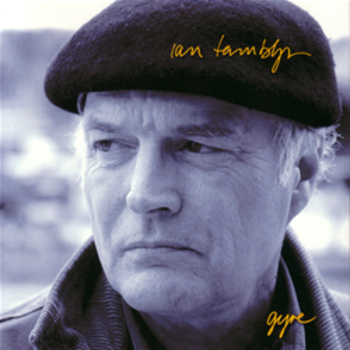
I hear some faint echoes of country in the music of Ian Tamblyn. I hear more blues, notably the blues harp in Fool’s Revelation, but also more subtly elsewhere. But mostly, I hear winter. In Wonder has the sound of shining icicles, while other songs have a brisk winter wind in them. Tamblyn’s acoustic guitar playing is where most of the country echoes show up, but his band adds a powerful kick from the drums, augmented by the bass lines. Other instruments will sometimes set up a drone. And a trumpet adds haunting color on a couple of songs. Overall, the full band, when used, often sounds like a percussion ensemble, only with a melody and harmony. This music reminds me of all kinds of things, but I’ve never heard anything quite like it.

Sometimes, Tamblyn’s lyrics are opaque. And the song becomes a mood piece. But he can also but quite direct and openly emotional in his lyrics. Tamblyn’s vocals work either way. His singing can express an impressive range of emotions. Afghanistan is the song the moved me most deeply here. The song is dedicated to the memory of a soldier who died in Afghanistan, and the song sounds like Tamblyn knew him personally. If he didn’t, both the songwriting and the performance are that much more impressive. I’m sure Tamblyn would want to mention that the soldier was Cpl. Anthony Joseph Boneca, of Thunder Bay, Ontario. (That’s right, Tamblyn is a Canadian.)

I want to mention one more thing before I move on to my last selection. I can imagine that some of my readers are musicians, and maybe even producers. I want you to know that someone is going to have a hit with Raven and Ray Charles. The song has a great beat and a great hook. Remember, you heard it here first.


Jake Armerding: Porto,Portugal

[purchase]

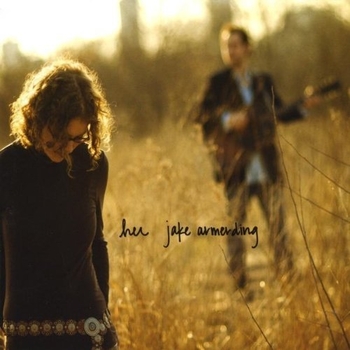
Porto, Portugal is not country. Maybe it isn’t even Americana. But I couldn’t resist posting it, and much of Jake Armerding’s album Her does qualify. Certainly, Armerding’s credentials are solid. I found him through his work with Red Molly. And many of the songs here show a deep appreciation of the ground that folk and country share. But Porto Portugal is a good choice, because it makes clear where Armerding diverges from this territory. The harmonies are taken from Portugese music; Armerding is not afraid to put into his more countryish numbers the occasional odd harmony. And Porto Portugal is a break-up song, but it is a subtle and nuanced look at the subject. Armerding is a subtle writer, and a very effective one.

Armerding sings in a high tenor, and he carries the emotions of his songs without ever oversinging. His band fills in well, never overpowering him. If I have to continue my climate metaphors, Armerding’s songs are a summer breeze in a place with lots of growing things. Even the sad songs have a warmth to them, an intimacy that never feels forced. Jake Armerding lets you in.

There is a term, a songwriter’s songwriter. These are musicians who are most admired by other musicians. Often their hits are covers of their songs by other artists. I could see this happening to Armerding. The songs are strong, but the subtlety of the performances keep them from a mass audience. They also preserve the individuality of the artists. So I hope that songs like Song of Solomon and $2 Kite become hits, so Armerding can continue doing what he does. And I hope Armerding never sacrifices the subtlety of his performances to make this happen. And I’m fairly sure that, if that happens, I will always prefer Armerding’s original versions to the covers. Of course, if Armerding can keep producing albums like this, and have hits as well, that would be best of all.

Thursday, April 15, 2010

Americana Festival Continues


First of all, I apologize for being late with this post. We had a disruption in our internet service over the last few days. The problem is fixed now, so it should be clear sailing from here on. After this, there will one more post to finish my Americana festival, and also to finish the week. Normal posting will resume next week.

As I put together the first part of my Americana festival, I thought about how I would characterize modern country music, and why the music I’m presenting here would not qualify. After all, many different sounds are accepted as country music these days. So why do these artists fail the test?

One reason is production. Country fans seek out their music for comfort. They want to know what to expect. So, in a mainstream country song these days, there will be a relatively quiet arrangement on the verses, and the music will swell on the chorus. This may be achieved with strings or electric guitars, but you know you’re going to hear it.

Another factor that disqualifies an artist is complex lyrics. Again, country fans seek simplicity and predictability. They want the story laid out for them; they don’t want implications, and they don’t want their songs cluttered with descriptive passages. They also want their protagonists to be people like them; they’re not looking to meet someone different.

I don’t mean to diss country music. It isn’t easy to write simple songs well. It takes a special talent to work effectively within such limitations. And the talent needed to put these songs over and make them fresh should not be underestimated. But, that said, I generally prefer music with more meat on its bones. Americana gives me that.


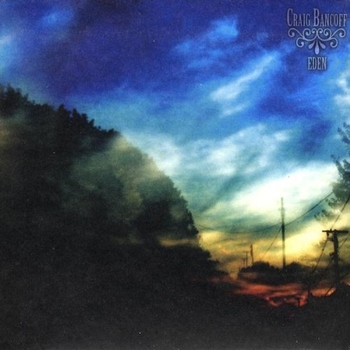
Craig Bancoff: St Anthony

[purchase]

Craig Bancoff plays acoustic guitar, and his band includes drums, electric bass, sometimes pedal steel or banjo at other times, and sometimes there is a fiddle. But this is not country music. Surely, country is an element here, more clearly heard on some tracks than on others. But, in the vocal lines, I hear turns of musical phrase that remind me of Neil Young. Folk music is certainly an element that comes up in the guitar parts. There is even a jazzy tinge to some of the bass lines. All of this adds up to a consistent sound throughout.

Bancoff sings in a range similar to Neil Young’s, but with none of the abrasive quality that Young has. This is Bancoff’s natural range, and he never has to force it to hit a note. But Bancoff is certainly an emotional singer. That is fortunate, because his writing is indirect. His meaning is often carried by how he sings a song. But the most remarkable thing about Bancoff is his imagery. He is a very visual writer, and he can bring a picture to life with just a line or two. The images are often of nature, and he places these images perfectly within each song. A sequence of images, plus the emotion of Bancoff’s voice, tell a story where the rest of the words might not.

I had a hard time choosing just one song from Eden for this post. In the end, I found the image of a statue of St Anthony half-buried in the sand was the picture that most stayed in my mind.


Grant Peeples: The Saddest Thing

[purchase]

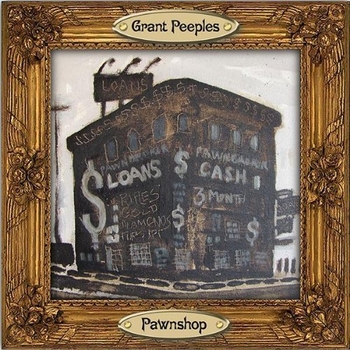
Almost all of the songs on Pawnshop by Grant Peeples are, musically, country music. Leaving Her Was Easy could even fly on country radio, with its break-up lyrics and smooth delivery. There is even a radio-friendly version of the song as one of two hidden tracks at the end of the album. But Pawnshop is not a country album. The lyrics and the vocal delivery on the rest of the album disqualify it. Instead, what we have here is an idea of what it might sound like if Tom Waits did a country album.

Now, before I heard this album, I would have said that the idea was absurd. But Grant Peeples usually sings here with a gravelly tone that reminds me of Waits. And like Waits, Peeples excels at tales of downtrodden people. Peeples understands these people and sympathizes with them when no one else will. There is one important difference though. It’s subtle, and I never felt preached at on this album. But the tales Peeples tells of the downtrodden are morality tales. He wants to move us to reach out and try to help.

Peeples also sings relationship songs, and here the Tom Waits comparison really doesn’t hold up. These songs stand up quite well, without comparison to anyone. Most of them wouldn’t fly on mainstream country radio because of the lyrics. Peeples implies rather than explicitly stating how his narrators are feeling. To give you an idea of where he’s coming from, one song is dedicated to the poet Charles Bukowski.

I thoroughly enjoyed Pawnshop as a whole, but the songs I keep coming back to are those morality tales. The Saddest Thing tells of a couple who have come to a pawnshop to sell their wedding rings. The song is powerful, not mawkish, and has as its subtext the divide between rich and poor. If I hadn’t posted this one, my next choice would have been The Hanging. I believe the female voice on this one is Lis Williamson. The song is a duet, and it asks who we should weep for at a hanging.

Altogether, Pawnshop is an album that displays sensitivity and subtlety. The musicianship is fine indeed. This isn’t country by today’s standards, but maybe it should be.


Matt Harlan: Walter

[purchase]

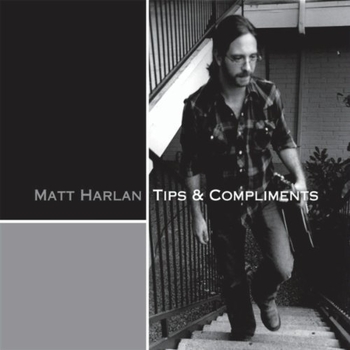
I started listening to Tips and Compliments by Matt Harlan, and I settled in for a nice mellow rock album. Then there was a side trip into country. Harlan’s acoustic guitar playing shows a fine appreciation of folk. And I could even have made a case for including one song, Warm November, in my jazz singers set. But Americana covers all the bases. This album shows a variety of influences, but it makes sense taken as a whole. Drums, bass, and acoustic guitar are heard on each song. Then add electric guitar or pedal steel. There are also banjo, mandolin, and some very tasty fiddle work on some tracks. Listening to Harlan’s voice, I imagine him taking a few tokes on a cigarette between songs. He sings in a clear baritone with a bit of smoke in it.

Matt Harlan is a story teller. He lets his tales unfold at their own pace, which means there are a lot of words, but none of them are wasted. You get to know his characters well, and see them change.

Walter is one of several songs I was tempted to post. Musically, it falls on the country-to-folk side of things. I love the description of the uncertainty of memory in this song. Walter is a dog, but this song is more about a life he touched than the dog himself. It is a fine example of Matt Harlan’s gift for presenting characters who are real because Harlan provides just the right amount of detail to bring them to life.

Friday, April 9, 2010

Americana Festival Begins


Jazz Singers week seemed to be popular. My Folk week went well. The plan then was to do one more, Americana week. As with jazz and folk, the first problem was, what is Americana. But this time, there was another problem: I had too much material. Either the past twelve months have been an exceptional time for this music, or I have been luckier finding it and having it find me, than with the other styles I presented. So, this week there will be no For a Song and no album review. Instead, I will be presenting my Americana festival. It starts with this post of three album mini-reviews. There will be two more posts like this with three albums each. I might even go to four albums to get everything in. One other thing struck me as I began to put this week together: I’ve been posting a lot of female artists lately, but this week, the artists are mostly male. Just one of those things, I guess.

What then is Americana music? To begin with, there is this thing called Alt-country. This is the most bizarrely ironic label in the music industry. Country, these days, is what we used to call southern rock, plus some country rock of the sort pioneered by Graham Parsons. These are musical genres that were roundly rejected by country fans when they first appeared. There are also some artists who perform a sort of lowest-common-denominator version of country, who are accepted as mainstream country artists. But the music made in recent years by Dolly Parton and Willie Nelson, to name two, is now alternative. And a new artist working in this musical territory can expect no help from country radio. So honky-tonk and western swing are now alternative, while Rascal Flats are considered country. (I am not trying to imply anything about the merits of Rascal Flats’ music in saying this; I just don’t think that they are country as I understand it.)

So we have Alt-country. And it is a subset of Americana. Americana also includes music that shows the influence of other roots styles, such as blues and folk. But blues is blues, and folk is folk, and neither, in their pure forms, are Americana. How pure are these pure forms? As we saw last week with folk, not very. And the same applies to blues. So the boundaries between Americana and the various style that influence it vary for each listener. This week, I will present some of the music that falls on the Americana side of the border, at least for me. You may wind up more confused than when we started, but I hope you enjoy the ride. (Grateful Dead lyric freaks will note that this means we’re going to Hell in a bucket; I’ll try to avoid that.)
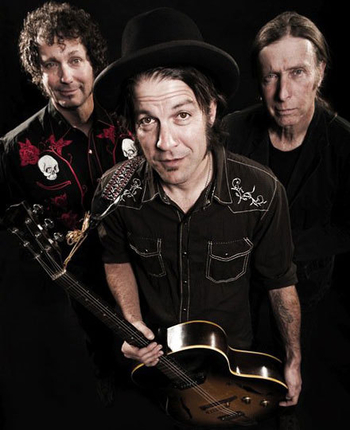


Jalan Crossland: Cumberland Gap

[purchase]

Jalan Crossland is a writer who is well versed in the classic themes of country music. Driftwood Souls includes an outlaw song, one about a trucker, and tales of heartbreak, with and without alcoholic accompaniment. These are original tunes, but they feel like classics, and they will have you wondering who did the original. One tune is an over the top satire almost of the “drinking my heartbreak away” type of country song: Nothin’s Wasted. Here, Crossland displays a wicked sense of humor.

The band is a trio. Crossland plays electric and acoustic guitar and banjo. Shaun Kelley plays stand-up and electric bass, and contributes cello parts on one song. Andy Phreanor plays drums and percussion. Overdubs are kept to a minimum, but the band has the versatility to vary the sound quite a bit from song to song. Yet, the album also makes sense as a whole. Crossland’s voice sounds to me like Steve Goodman’s, only with more harsh weather in it. He has some of the playful wink that Goodman excelled at, but his voice catches more, letting a bit more darkness in. It works beautifully for this material.

Usually, when I feature an artist for the first time who writes songs, I feature an original. But Crossland’s version of the traditional Cumberland Gap blew me away. This is what Fairport Convention might have sounded like if they were American. The song starts with drums, bass, and banjo, joined later by overdubbed cello lines. I’ve heard other versions of the song, but this one has a haunted quality I never would have thought of. It really works.
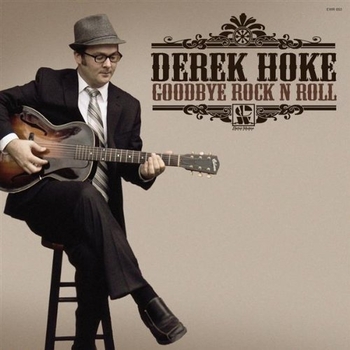


Derek Hoke: I Think I Really Love You

[purchase]

Derek Hoke is a classicist. Hot on the Heels of Love could pass for a lost Buddy Holly song, right down to Hoke’s vocal. Not Too Late has a definite western swing feel, even though it is a mid-tempo number. But there are also some interesting touches in the arrangements. Hot on the Heels… includes a xylophone, and that odd sound you here in Rain Rain Rain is a bass harmonica.

Hoke sings in a high tenor, with just a slight catch in his voice. His songs are romantic, even when they are about heartbreak. Hoke idealizes women even when they hurt him. He also tells, in End of the River, of a hard childhood, which leads to a lifelong search for validation. But even here, there is a fairly happy ending. To put this over, it helps to have two things: A voice that puts over the emotions and makes them real, and a writing style that turns a phrase without relying on clichés. Derek Hoke passes both tests.

Most of this music would have been considered country back when. The album ends with a wonderful country blues number, I Think I Really Love You. This one, musically, reminds me of Tracy Chapman’s Give Me One Reason. Lyrically, it is a slightly hesitant declaration of love that really works.
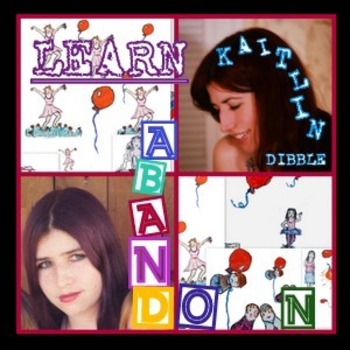


Kaitlin Dibble: Learn Abandon

[purchase]

I could have made a case for including Kaitlin Dibble in Folk week. Or I could have saved her for a possible blues week, sometime in the future. But I could not have justified leaving her out. Her music is not blues, but it is certainly informed by blues. I would consider her a blues singer, but her playing and arrangements make it harder to pin her down. So, Americana will do for me.

No Way is a blues song, not unlike Bonnie Raitt’s early work. And Mr No One of Consequence sounds like an early jazz piece, with acoustic guitar, stand-up bass, and drums, plus trombone. Wild Time was written in memory of two blues singers, Molly Shimer and Vala Cupp. But then again, the one cover on the album is by Loudon Wainwright III. And elsewhere, there are rock and folk flavors. Dibble makes all of this make sense.

Dibble is a strong visual writer. Her images are new, and they work. She also captures the mood of a place beautifully. Her songs set you down somewhere, and you know immediately how she feels about being there. And her voice seals the deal. She sings in a low soprano. There ought to be a catch in her voice, to capture emotion the way she does, but her voice is smooth. I hope it makes sense to describe this emotional quality as a light sob. Dibble never breaks down completely, but the possibility as always there.

The song Learn Abandon sums this all up. The arrangement is for acoustic slide guitar, with organ and lightly played drums enhancing the mood. Dibble’s voice must do most of the work, and she is equal to the task. The lyric is about a breakup, and there is no doubt that it hurts. The playing is bluesy, but the words take the song out of any typical blues structure.

So Kaitlin Dibble is a mature singer, fully in control of her marvelous instrument. She is a writer of great originality. And she gets a full range of emotion from often very spare arrangements. And the scary part is that this her debut album. I look forward to seeing how her talent develops in the future.

Tuesday, April 6, 2010

Lisa Jaeggi - Oh Lady You Shot Me


[purchase]

There is this music called anti-folk. The people who came up with the label don’t believe that they are making folk music. Folk music, they say, presents the lives of rural people, farmers and the like. It presents a sense of community, and espouses values like friendship and peace. Anti-folk, on the other hand, is urban music. Cities are overcrowded, and the music reflects a desire to find a little patch of space they can call their own. Anti-folk artists do not make pretty music either; their art reflects the harshness of their environment.

And that, for me, is where their argument falls down. Their music reflects the ways in which people respond to their environment. That is what folk music does. The function of the music is not that different; just the environment is. And, by now, Anti-folk has been around long enough to develop its own traditions.

Enter Lisa Jaeggi. I found a reference to her as an anti-folk artist. I’m not sure she would use the label herself. She lives in Brooklyn NY, where you can walk a block and hear music from many cultures. And that background finds its way into her music in many ways. I’m not sure Jaeggi is even aware of all of them herself. Many of her songs are based around repeating guitar patterns. This reminds me of some African music I have heard. Jaeggi’s words often come out in torrents. This is reminiscent of Jason Mraz’s first album, but also happens in rap. And, being exposed to such a diversity of musics, Jaeggi feels free to use whatever elements she pleases to color her music. So, most of her songs have just guitar, stand up bass, and maybe simple percussion, but sometimes she adds glockenspiel or vibraphone.

I mentioned that Jaeggi uses repeating guitar patterns in many of her songs, and it would be tempting to say that she is limited as a guitar player. But, in the course of the album’s nine songs, Jaeggi demonstrates a range of different techniques and moods in her playing. And she also must keep the beat mostly with her guitar; the percussion parts, when there are any, are more for color.

Lisa Jaeggi’s lyrics reflect a world in which real love is hard to find. Relationships are fleeting, and dishonesty is everywhere. But Jaeggi doesn’t give up. Heartache is the last song on the album, and it is a pledge of love. The song ends the album on hopeful note. Before we get there, Jaeggi expresses the search for love beautifully in The Place. There are songs here about breakups. And there are the kind of songs that cause arguments. What is this song about? It depends not only on the songwriter but also the listener. Jaeggi weaves a web of words. It is up to the listener to step back and discern the shape of that web. This kind of writing can seem pretentious or even precious, but that never happens here. Somebody is one of these songs. I hear a song about an artist whose work is passed over in favor of the work of more commercial artists; The narrator says she gets his work, and offers her love. That’s what I hear, but you may take away something completely different.

I should mention that Oh Lady I Shot You contains strong language. Readers should decide their own comfort level before playing this album in the presence of children. The strong language is not overdone, and suit’s the characters.

So I find Lisa Jaeggi to be a fine writer. The music is made by only two musicians on this, Jaeggi’s debut album. I can hear extra parts in my head as I listen to this, and I will be very interested in whether Jaeggi chooses to expand her sound in the future. I hope to share that with you in the future.

Lisa Jaeggi: The Place

Lisa Jaeggi: Somebody

Saturday, April 3, 2010

Spotlight Special: Folk Music


What is folk music? Some people would say that it is a single performer, with a guitar or banjo, performing traditional songs. The Joan Baez song in my last post is a fine example, and it is certainly folk music. But this definition excludes traditional music for larger groups of musicians. Bluegrass, for example is certainly folk music. Traditional music is a term which does not mean that the music was not written by anyone; it means that the name of the original author has been lost, and that the music passed into the oral tradition, where it was changed. So does this mean that music cannot be folk music if the author is known? That would exclude the songs of Woody Guthrie, for example. And his songs are changed by each person who performs them. Different arrangements spring up, and some artists even add or update the lyrics. It is just as problematic to say the a song must be so old to be a folk song. How old? Who decides? Finally, many people would say that folk music must be acoustic. But Steve Goodman is widely considered to be a folk musician, and he frequently included electric instruments in his arrangements.

So I would say that folk music displays deep knowledge and influence of traditional music, but may update both the content and the sound for contemporary audiences. An arrangement of Lord Franklin from 150 years ago, about the time it was written, would not have included an electric guitar. But that is not out of respect for tradition, but simply because the technology did not exist yet.

Here then is a set of the folk music of today. I have deliberately chosen only songs written by the artists performing them. These songs provide a range of answers to the question of what folk music is today. I believe that each of these artists would be welcomed at a modern folk festival. And, if I was there, I would try to catch all of their sets.


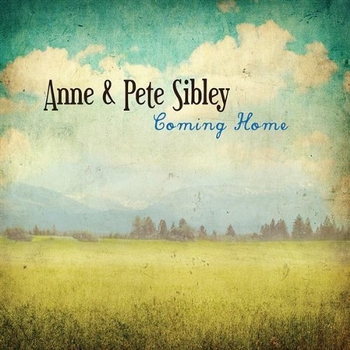
Anne & Pete Sibley: Pick Up These Chains

[purchase]

Anne and Pete Sibley are acoustic musicians. Their arrangements are spare, often just the two of them singing together and playing guitar and banjo. They make this work beautifully. Pick Up These Chains is about how love can pass down through generations, a perfect theme for a folk song. This music reminds us that country music at its best grew out of folk music. The Sibley’s songs are mostly originals, but maybe they will be considered part of the tradition one day. I can certainly hear why.


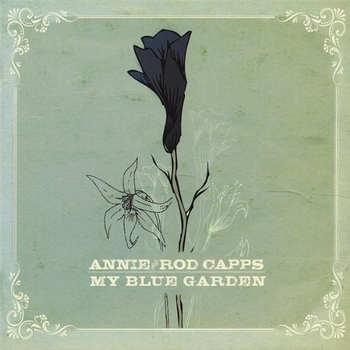
Annie & Rod Capps: Another Day

[purchase]

Annie and Rod Capps are songwriters, and I would think that that is how they will be known in the future. Another Day is a beautifully realized character portrait that also tells a story. The Capps use fuller arrangements, sometimes including electric guitar and even drums, but there is a delicacy to their arrangements. This goes well with Annie Capps sweet voice. That sweetness can seem to mask the emotions of the songs sometimes, but in the end the feeling always comes through.


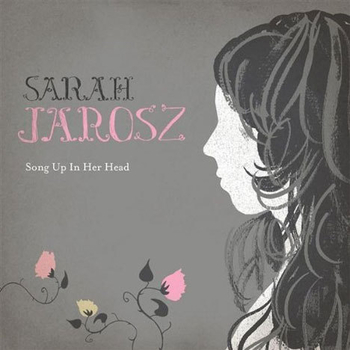
Sarah Jarosz: Broussard‘s Lament

[purchase]

Sarah Jarosz was jamming with musicians like David Grisman when she was twelve. She’s eighteen now, and she has come into her own as a songwriter. As she gains experience, she is going to be downright scary. Jarosz can play fairly straight bluegrass, but she can also blend in the jazzier sound Grisman is known for. Broussard’s Lament starts as a folk ballad, and evolves into a Grismanesque jam. Throughout, Jarosz never loses track of her subject. She creates a protagonist who relates their experience of the New Orleans flood. There are many older musicians who can not show off their prowess as players and arrangers, and put over the emotion of their lyric at the same time. Jarosz can and does.


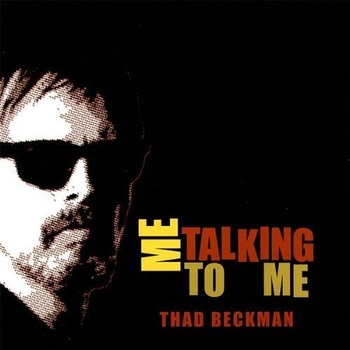
Thad Beckman: I‘m Falling Apart

[purchase]

Thad Beckman probably isn’t as old as he sounds. He sings in a weary and gruff voice, and his characters are often in decline. This is the stuff of country and blues, and both are well represented here. I’m Falling Apart is a bluesy number concerning a classic subject: the end of a relationship. Beckman obviously knows and loves this music, and his songs ring true.


Barbara Lamb: I Was Wondering

[purchase]

Barbara Lamb is a contradiction. On the one hand, her fiddle playing and her vocal harmonies show a deep understanding of bluegrass music. But she adds percussion from various parts of the world, and also electronic effects. And she plays almost everything herself, so this music is entirely a product of the recording studio. Still, the mix is intoxicating. One minute, the music is almost straight bluegrass, and the next there is a hip-hop flavor to it. So call this music mutant bluegrass, and enjoy the ride. This may or may not be something that will sound normal in the future. It depends on how many people can pull it off. Meanwhile, whatever else this music may be, it is a lot of fun.

Thursday, April 1, 2010

For a Song: Barbara Allen


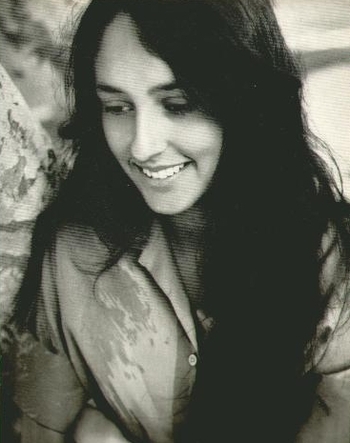
Joan Baez: Barbara Allen

[purchase]

I must be out of my mind. Last week was jazz singers week, and it was a labor of love for me. But it was a labor, a lot of work. So this week is folk music week. As before, there is this post, to be followed by an all folk Spotlight Special for the weekend post. And things will wrap up with a folk music album review. So, to get things rolling…

I was introduced to jazz singing by an artist I already knew for other music. Folk music was different. My parents emphasized classical music above all else, but there was still folk music around. We received radio signals from New York City, and one of the classical stations there had a folk show on Saturday nights, called Woody’s Children. Also, my parents had 78s by Paul Robeson. Now Robeson was not a folk singer, but much of his material was traditional, especially spirituals. Finally, I attended marches against the Vietnam War from age eight on, and so I got to hear Peter Paul and Mary, Pete Seeger, Arlo Guthrie, and many others I don’t even remember anymore. But all exerted a subtle influence on my musical taste, and all of this is a big part of why Oliver di Place sounds the way it does. Nevertheless, when I began to put together my own album collection, folk music did not have a place at first.

It was a friend in high school who made it OK for me to embrace folk music. He played cello, acoustic guitar, mountain dulcimer, and banjo. He could pick up pretty much anything with strings and make it sound good. At the height of the disco era, he was an oddball. But my friends and I in high school loved science fiction and Monty Python, and to fit in with us you had to be different. One of the first albums he played for me was by Joan Baez, and I had to have a copy of my own. It wasn’t easy to find in those days; there was no Amazon or even a Tower Records. Instead, I found it in good condition at a flea market. Treasure!

As I discovered the music of Joan Baez, I was immediately taken with the song Barbara Allen, and it is clearly still a favorite. The final image of the rose and briar intertwined introduced me to a kind of poetry I had never encountered before. I still find this to be one of the most hauntingly romantic lyrics I know.